Publications
11 papers in AI security, explainability, and K-12 education.
Award-Winning
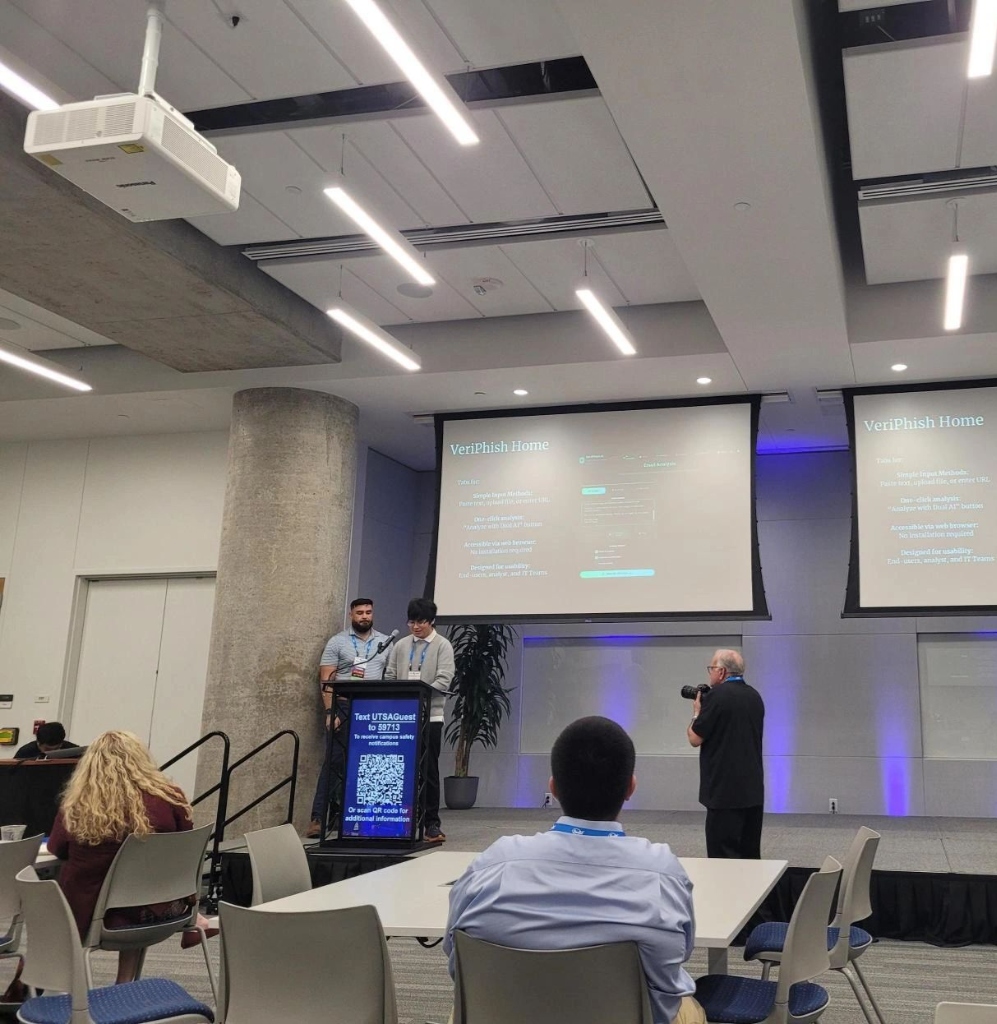
VeriPhish: Bridging AI Explainability and Accuracy in Phishing Detection Through XAI and LLMs
Framework combining high-accuracy deep learning models with explainable AI techniques for phishing detection. Provides user-interpretable reasoning for security decisions through LIME and SHAP integration.
View Paper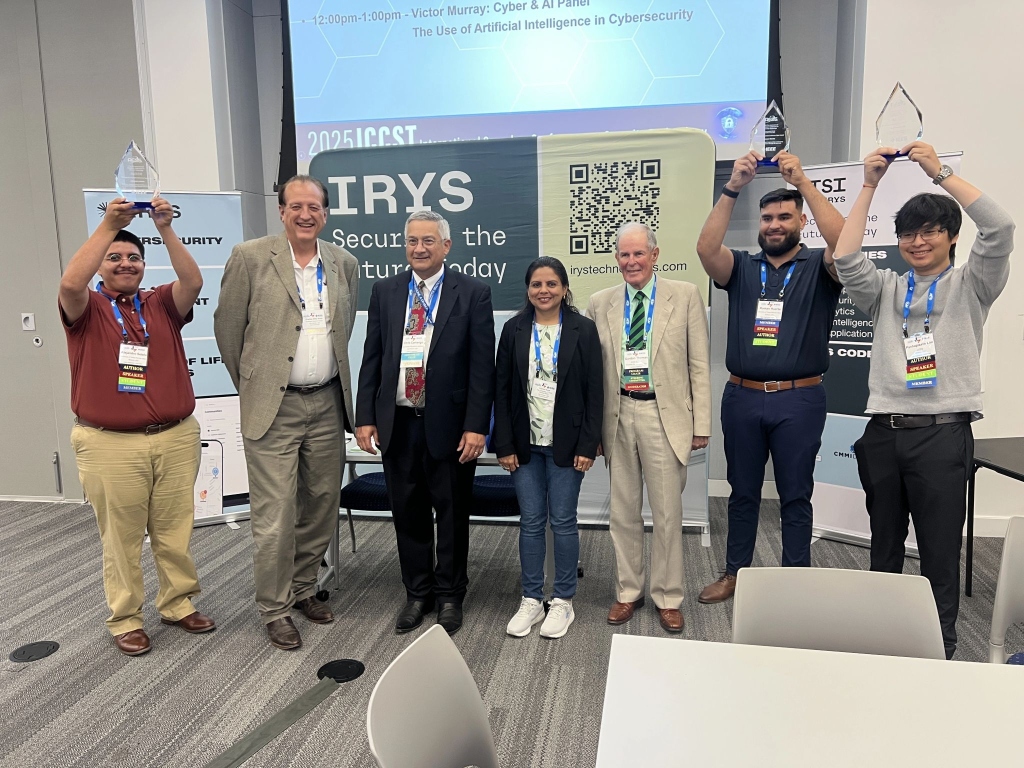
Published
(10 papers)EXPLICATE: Enhancing Phishing Detection through Explainable AI and LLM-Powered Interpretability
Sophisticated phishing attacks have emerged as a major cybersecurity threat. We present EXPLICATE: a framework with an ML-based classifier, a dual-explanation layer combining LIME and SHAP, and an LLM enhancement using DeepSeek v3 to translate technical explanations into accessible natural language. EXPLICATE attains 98.4% accuracy with 94.2% explanation quality.
View PaperLearning AI Ethics with EvolveMoralMaze: An Analysis of Student Outcomes and Misconceptions
This study investigates how middle school students learn AI ethics concepts through interactive gameplay with EvolveMoralMaze. The analysis examines student learning outcomes, identifies common misconceptions about AI ethics, and provides recommendations for educational interventions.
View PaperCognitive-Mimetic Adversarial Prompting: Corrupting LLM Reasoning with Human Cognitive Failures
This paper introduces CMAP, a novel class of attacks that exploits documented human cognitive biases and logical fallacies to corrupt LLM reasoning chains. We present a taxonomy of CMAP attacks, propose new metrics to evaluate reasoning corruption, and introduce Fallacy-Bench, a benchmark for assessing LLM robustness against logical manipulation.
View PaperThe Algorithmic Compass: Navigating the New Landscape of AI in Middle School
This paper analyzes recent scholarly studies to map emerging AI applications in middle school education including social-emotional learning, creative expression, and inclusive pedagogy. The analysis points to five key domains where AI is making inroads.
View PaperHIES: A Simulator for Historical Inquiry and Empathy Using Guided Prompt Engineering
HIES is an educational tool for middle school students that uses LLMs to create interactive historical scenarios where students investigate events by talking with AI-powered personas. The system teaches guided prompt engineering and historical thinking skills.
View PaperThe Surveilled K-12 Classroom: A System of Ineffectiveness, Inequity, and Eroding Trust
This paper examines why widespread adoption of surveillance tech in schools represents a failed approach to student safety. We show that these systems have no proven track record of preventing violence and disproportionately target vulnerable students.
View PaperPicPrompt - A Novel Social Prompt Engineering Game Based Tool for Informal Learning in K-12
Educational game designed to introduce AI concepts to K-12 students through interactive drawing and guessing mechanics powered by AI image generation.
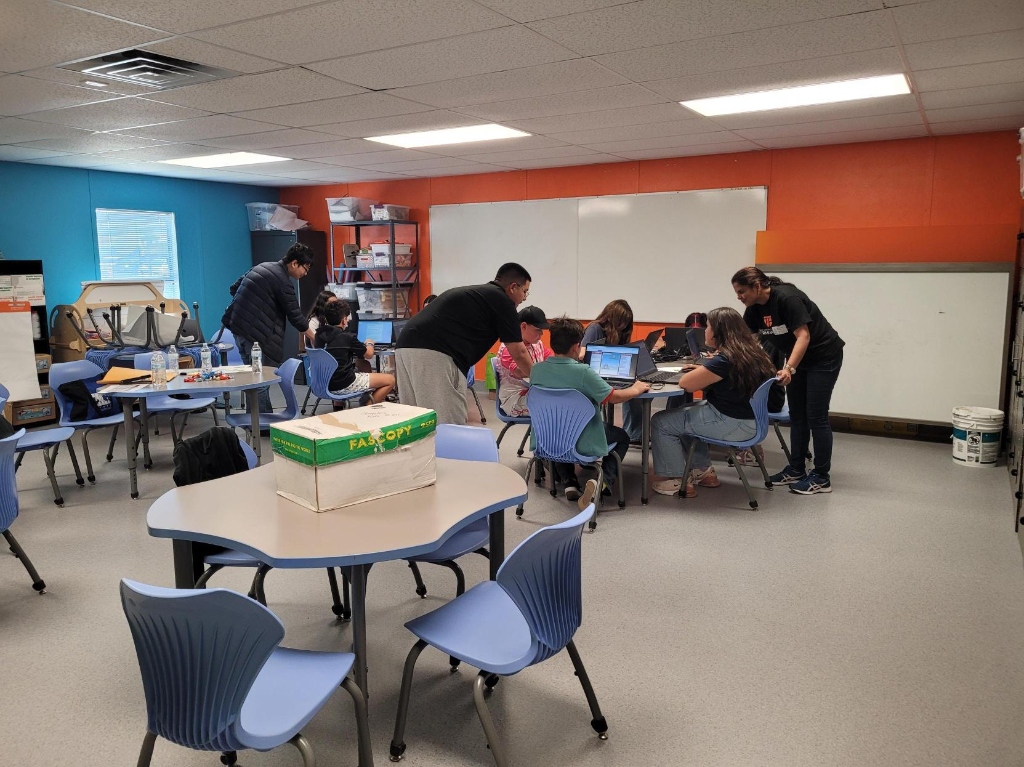
View PaperEvolveMoralMaze: Introducing Middle School Students to AI Ethics
Interactive platform for teaching AI ethics to middle school students through evolving moral dilemma scenarios that demonstrate real-world implications of AI decisions.
View Paper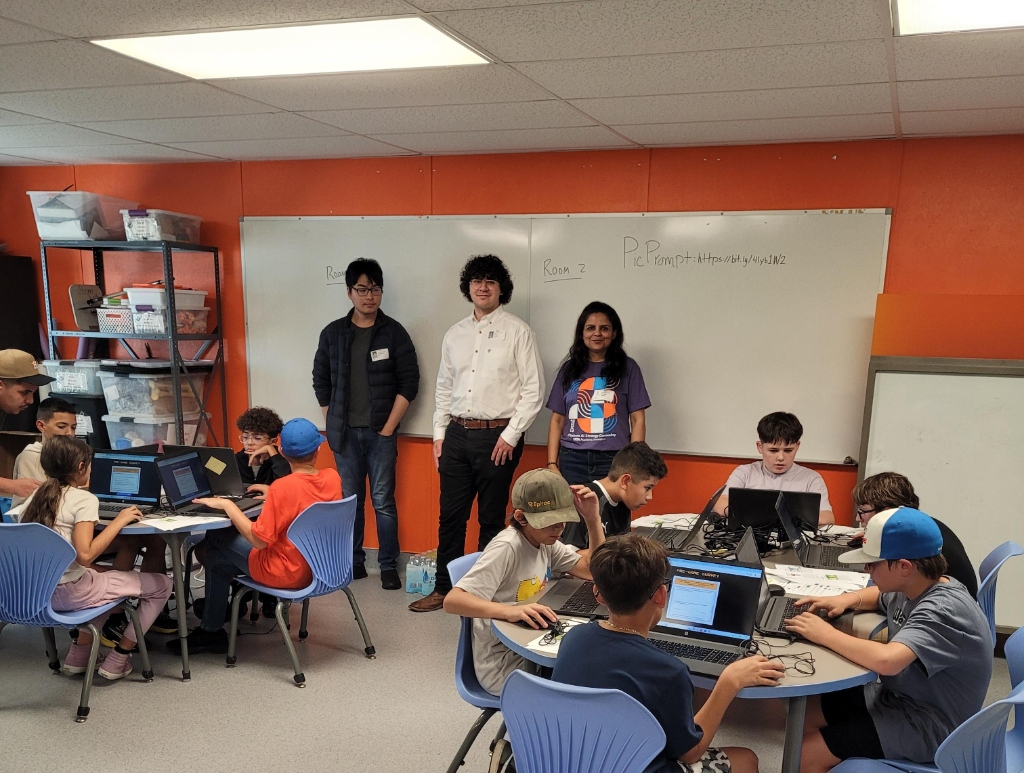
Data-Driven Adaptive Curriculum-Personalizing Academic Pathways for Enhanced Engineering Student Success
Research on adaptive curriculum design that uses data-driven methods to personalize computer science education for diverse learner needs.
View PaperFostering Effective Teamwork in Undergraduate Research Based Course
Study on collaborative practices and team dynamics in undergraduate research settings, with recommendations for improving research outcomes.
View Paper